Wall-Cavity Mold Removal Cost in Chicago, IL
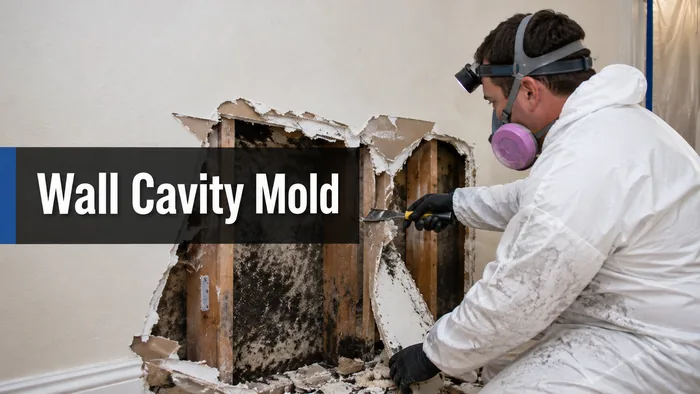
If you are searching for wall-cavity mold removal cost in Chicago, the useful number is not a made-up “city average.” The useful comparison is exactly what area will be treated, what materials will be removed, how dust and debris will be controlled, who fixes the moisture source, and what reconstruction remains outside the scope. This page uses current national ranges and adds local factors that can change the work.
In Chicago, it is sensible to account for cold winters, humid summers, snowmelt, and many basements. Moisture pathways worth checking include foundation seepage, freeze-related plumbing leaks, wall cavities, roof/ice issues, and condensation. Those conditions do not prove a mold problem exists. They explain why two jobs with a similar visible patch can end up with different scopes and different prices.
2026 planning range for wall-cavity mold removal cost in Chicago
| Project level | Planning range | What it often means |
|---|---|---|
| Localized / straightforward access | $500–$3,000+ | Defined area, reasonable access, limited demolition, and a known moisture source. |
| More complex | $3,000–$8,000+ | Hidden contamination, porous materials, difficult access, larger containment, or reconstruction. |
Use these ranges to interrogate a quote, not to force a contractor to match a national number. Labor, disposal, access, urgency, equipment, and hidden conditions can move a Chicago project outside the band.
Estimate Your Chicago Project
Enter location, affected area, and project details to create a starting benchmark before comparing contractor scopes.
Estimate My Mold Remediation CostWhat drives the cost for this project type
1. How much drywall must be opened to define the affected area
This factor can change labor hours, demolition, equipment, disposal, and the amount of reconstruction needed. Ask the contractor to describe this item in writing rather than assuming it is included.
2. Wet insulation or contaminated framing inside the cavity
This factor can change labor hours, demolition, equipment, disposal, and the amount of reconstruction needed. Ask the contractor to describe this item in writing rather than assuming it is included.
3. Plumbing, roof, facade, or window source correction
This factor can change labor hours, demolition, equipment, disposal, and the amount of reconstruction needed. Ask the contractor to describe this item in writing rather than assuming it is included.
4. Reconstruction after the cavity has been cleaned and dried
This factor can change labor hours, demolition, equipment, disposal, and the amount of reconstruction needed. Ask the contractor to describe this item in writing rather than assuming it is included.
Why Chicago can change the scope
The local combination of cold winters, humid summers, snowmelt, and many basements changes the questions that should be answered before walls are closed or finishes are rebuilt. For this project type, specifically check whether moisture is coming from foundation seepage, freeze-related plumbing leaks, wall cavities, roof/ice issues, and condensation. Remediation is not meaningfully complete if the moisture mechanism remains active.
Local checks before accepting a proposal
- Identify the moisture source and who is responsible for correcting it.
- Ask which materials will be cleaned and which will be removed.
- Confirm whether containment and HEPA filtration are included when appropriate.
- Separate remediation, source repair, and reconstruction into different line items.
- Request written completion criteria and photos of hidden conditions uncovered during work.
How to compare quotes in Chicago
| Quote item | What to verify | Red flag |
|---|---|---|
| Work area | Exact rooms, surfaces, and boundaries | “Treat mold” without saying where |
| Demolition | Exact materials to remove | No mention of affected drywall, insulation, or finishes |
| Containment / air | Plastic, negative pressure, HEPA where appropriate | Only spraying or wiping the visible surface |
| Moisture source | Who fixes the leak, condensation, or intrusion | No responsibility assigned |
| Reconstruction | What is replaced and what is excluded | One total with no rebuild separation |
A cheaper quote can exclude demolition, drying, or rebuilding. A higher quote can include work another contractor left out. Compare scope with scope. Comparing only the bottom-line number is a surprisingly efficient way to compare different jobs.
Does Your Chicago Quote Look High?
Use the calculator to create a benchmark based on your area, location, and project type.
Compare My Project CostRemediation, moisture repair, and reconstruction are three different budgets
A project can remove contaminated material and clean framing without repairing the roof, plumbing, window, HVAC, drainage, or other system that created the moisture. It also does not automatically include new drywall, paint, insulation, flooring, cabinets, or trim. Ask for the three categories to be separated so the price is intelligible.
What a wall-cavity-specific remediation scope should address
Wall-cavity projects are defined by uncertainty. The visible stain may be smaller than the wet area hidden behind drywall, or it may be unrelated to significant cavity contamination. A contractor should explain how the work boundary is established, how exploratory openings will be handled, and what happens if moisture or growth continues beyond the initial cut line.
The proposal should separate removal of drywall and insulation from cleaning of studs, sheathing, or masonry inside the cavity. It should also identify the moisture source, which could be plumbing, a roof or facade leak, window intrusion, condensation, or water from an adjacent unit. Rebuilding before the cavity is dry and the source is corrected is precisely how a hidden problem earns a sequel.
Wall-cavity quote line items worth separating
- Exploratory opening and definition of the work boundary.
- Drywall and insulation removal.
- Cleaning of framing and concealed surfaces.
- Moisture-source repair by the appropriate trade.
- Drying verification before closing the wall.
- Drywall, texture, paint, trim, and finish reconstruction.
Why this deserves a separate page from the general Chicago guide
This page exists because wall-cavity mold removal cost has cost drivers and scope decisions that differ from generic mold remediation. It is not the general Chicago page with one phrase swapped. If the project involves several parts of the home, return to the general Chicago mold remediation cost guide and also compare the national project-specific guide.
Frequently asked questions about wall-cavity mold removal cost in Chicago
How much does wall-cavity mold removal cost cost in Chicago?
Use $500–$3,000+ as a national planning range for many projects, with complex cases reaching $3,000–$8,000+. A real Chicago quote depends on scope.
Is this priced at a fixed cost per square foot?
No. Area matters, but access, containment, materials, demolition, equipment, and reconstruction can dominate the final cost.
What can make a Chicago project expensive?
Hidden conditions, difficult access, porous materials, and moisture related to foundation seepage, freeze-related plumbing leaks, wall cavities, roof/ice issues, and condensation can all expand the scope.
Should I get multiple quotes?
For a meaningful project, two or three written scopes help reveal who includes demolition, containment, cleaning, moisture repair, and reconstruction.
Does remediation include fixing the leak?
Not automatically. Roof, plumbing, window, drainage, or HVAC repair may require another contractor or a separate line item.
Does the quote include reconstruction?
Often it does not. Confirm drywall, paint, insulation, flooring, cabinets, trim, and other finishes separately.
Do I need mold testing first?
Not every visible problem requires extensive testing. It can be useful when the source is uncertain, contamination is hidden, or independent documentation is needed.
Can homeowners insurance cover the work?
Coverage depends on the policy and cause of loss. A covered sudden water event can be treated differently from long-term leakage or maintenance.
How long does the project take?
A localized area can be completed quickly; projects involving demolition, drying, testing, or reconstruction can take several days or longer.
Can I stay in the home during work?
That depends on the size and location of the work, containment, contractor procedures, and occupant needs.
What should a written quote include?
It should define the work area, materials to remove or clean, containment, filtration, disposal, moisture-source responsibility, testing if any, and reconstruction exclusions.
How can I estimate the project before hiring?
Start with national ranges, then adjust for affected area, location, access, materials, moisture, containment, and reconstruction. The calculator organizes those variables.
Sources and methodology
This page uses national 2026 cost ranges and adds Chicago-specific scope considerations. We do not claim a fabricated local average.
- HomeGuide: Mold Removal & Remediation Cost (2026)
- Angi: Mold Remediation Cost (2026)
- U.S. EPA: Mold Remediation Guidance
Last reviewed: August 30, 2026. See our cost methodology.