Mold Remediation Cost in New York City, NY
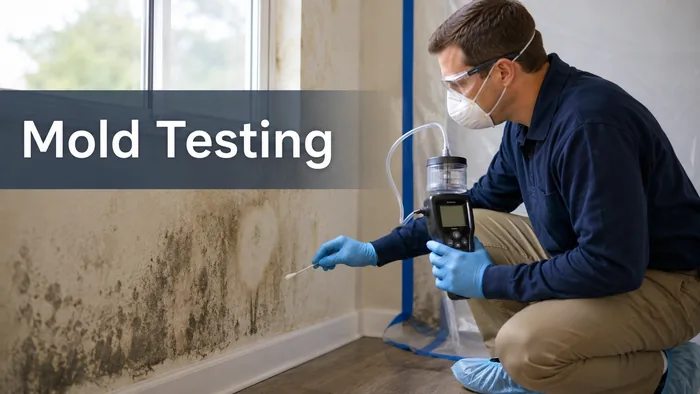
If you are comparing mold remediation prices in New York City, the useful question is not “what is the average number?” It is “what exactly is included in this scope, and what local building or moisture conditions make the project easier or harder?” A quote that removes contaminated drywall, sets containment, runs HEPA air filtration, cleans framing, documents moisture, and leaves the room ready for reconstruction is not comparable to a cheaper proposal that simply sprays an antimicrobial product on visible growth.
This page uses current national cost references to give New York City homeowners a defensible planning baseline while avoiding fake city-specific precision. We do not invent a “New York City average” unless reliable local data supports one. In this market, common moisture pathways can include apartment leaks from above, exterior-wall intrusion, roof leaks, plumbing failures, and condensation around windows or pipes. Those conditions matter because the water source and hidden extent of damage often determine the real bill.
2026 mold remediation cost planning range for New York City
| Project level | Planning range | Typical scope |
|---|---|---|
| Smaller / lower complexity | $500–$1,500 | Limited accessible area, little demolition, straightforward source correction. |
| Moderate professional remediation | $1,500–$6,000 | Containment, material removal, HEPA filtration, cleaning, and multiple connected surfaces. |
| Large / complex project | $6,000–$15,000+ | Large area, hidden contamination, difficult access, HVAC involvement, structural material, or major reconstruction. |
These are planning bands from national 2026 cost guides. Labor rates, disposal, permit or access requirements, contractor availability, and the amount of demolition can push a real New York City quote outside the table. Use the table to ask better questions, not to demand that every contractor magically land on the same number.
Estimate Your New York City Mold Project
Enter your location, affected area, mold location, and project details to build a more tailored starting estimate before you compare contractor quotes.
Estimate My Mold Remediation CostWhy mold remediation costs can vary in New York City
1. Local moisture and weather patterns
New York City is affected by dense multifamily housing, aging building systems, humid summers, cold winters, and complex plumbing stacks. That does not mean every home has a mold problem, but it changes the ways moisture can enter or remain in a building. Contractors may need to address an active leak, elevated indoor humidity, storm-related wetting, condensation, or a building-envelope defect before remediation is actually complete.
2. Where the mold is located
A visible patch on an open bathroom wall is usually simpler to access than contamination inside an attic, crawl space, HVAC system, wall cavity, cabinet assembly, or finished basement. Access changes labor time, containment design, demolition, and disposal. In New York City, potential moisture pathways include apartment leaks from above, exterior-wall intrusion, roof leaks, plumbing failures, and condensation around windows or pipes. The more layers that must be opened and removed, the less useful a simple price-per-square-foot benchmark becomes.
3. Porous versus cleanable materials
Hard, nonporous surfaces can sometimes be cleaned, while mold-damaged drywall, insulation, carpet backing, ceiling tile, or other porous materials may need removal. The contractor should specify what is being cleaned, what is being removed, and what will need to be rebuilt afterward.
4. Containment and air filtration
EPA guidance distinguishes smaller, medium, and larger remediation areas and emphasizes controls appropriate to the size and conditions of the job. Plastic containment, negative pressure, HEPA-filtered air scrubbers, protective equipment, and detailed cleaning are not decorative extras. They can be necessary parts of controlling dust and contaminated debris during removal.
5. Moisture-source correction
Mold remediation without fixing the moisture source is incomplete. Depending on the property, the source may involve roofing, flashing, plumbing, HVAC condensate, drainage, appliance leaks, window intrusion, foundation seepage, or humidity control. Ask whether the remediation contractor fixes the source or whether another trade must do it first.
Common New York City project scenarios
| Scenario | What usually drives price | Questions to ask |
|---|---|---|
| Bathroom or kitchen mold | Plumbing, cabinets, drywall, tile backer, ventilation | Is the leak fixed? Are cabinets or wall materials being removed? |
| Attic or roof-related mold | Access, roof leak, ventilation, insulation, roof sheathing | Who corrects the roof or ventilation problem? |
| HVAC-related mold | Duct access, equipment cleaning, insulation, condensation | Is the system actually contaminated or only the register area? |
| Hidden wall-cavity mold | Demolition, moisture tracing, framing cleanup, rebuild | How far will the contractor open the wall and why? |
| Whole-room or multi-room project | Containment, labor, disposal, equipment, reconstruction | Does the proposal include rebuilding or remediation only? |
How to compare mold remediation quotes in New York City
- Make sure each contractor is pricing the same physical work area.
- Compare demolition and disposal line by line.
- Check the containment and HEPA air-filtration plan.
- Separate mold remediation from leak repair, roofing, plumbing, HVAC repair, and reconstruction.
- Ask whether testing or post-remediation clearance is included.
- Request photographs or moisture documentation for hidden-condition changes.
- Compare the written completion criteria, not just the bottom-line price.
A very low quote can omit material removal or containment. A high quote can include demolition and rebuilding that another contractor excluded. The winning proposal is not automatically the cheapest or the most expensive. It is the one with the clearest scope that fits the conditions in the building.
Is Your New York City Quote Reasonable?
Use the calculator to create a project-specific benchmark before accepting a remediation proposal.
Compare My Project CostMold remediation versus reconstruction
Many homeowners receive a remediation quote and assume the room will look finished when the contractor leaves. That is often wrong. Remediation can end after contaminated materials are removed, framing is cleaned, and the area meets the contractor's completion criteria. New drywall, paint, insulation, trim, flooring, cabinets, ceiling texture, or finish carpentry can be a separate reconstruction scope.
When comparing New York City estimates, label every line item as one of four buckets: assessment/testing, remediation, moisture-source repair, or reconstruction. This prevents a $3,000 remediation-only quote from being compared against a $7,000 proposal that includes rebuilding. Without that separation, price comparison is mostly theater.
New York City-specific scope checks
Use these local checks to make the page useful for an actual project rather than treating the city name as a cosmetic keyword modifier.
Local conditions worth checking
- In apartments and multifamily buildings, determine whether the moisture source is inside the unit, from above, or from a shared building system.
- Check plumbing risers, facade/window leaks, roof conditions, and HVAC equipment as applicable.
- Clarify access, building-management approval, work-hour, containment, and debris-removal constraints before comparing quotes.
Questions to ask before accepting a quote
- Is the source inside the unit or part of a shared building system?
- What building-management approvals or work rules affect the scope?
- How will containment and debris removal be handled in occupied common areas?
Frequently asked questions about mold remediation cost in New York City
How much does mold remediation cost in New York City, NY?
Use the national 2026 planning range of about $1,500–$6,000 as a starting benchmark. A real New York City quote can be lower or higher depending on affected area, access, materials, containment, moisture correction, and reconstruction.
Is mold remediation priced per square foot in New York City?
Square-foot benchmarks can help with planning, but contractors also price setup, containment, equipment, demolition, disposal, and project management. A small difficult project can cost more per square foot than a large open area.
What makes a New York City mold job expensive?
Hidden contamination, difficult access, wet insulation, structural materials, HVAC involvement, large containment areas, or major reconstruction can increase cost. The underlying moisture source can add a separate repair bill.
Should I get multiple quotes?
For a meaningful project, two or three written scopes can reveal differences in demolition, containment, cleaning, testing, moisture correction, and rebuilding. Compare scope first, price second.
Does a mold quote include leak repair?
Not automatically. Ask whether plumbing, roofing, drainage, window repair, HVAC condensate work, or other source correction is included or assigned to another contractor.
Does the remediation price include new drywall and paint?
Often it does not. Many remediation contractors leave the area clean and ready for reconstruction. Confirm whether drywall, paint, flooring, cabinets, insulation, and trim are included.
Do I need testing before remediation?
Not every visible mold problem requires extensive testing. Testing can be useful when contamination is hidden, the source is uncertain, documentation is needed, or an independent protocol or clearance process is part of the project.
Can homeowners insurance cover mold in New York City?
Coverage depends on the policy and cause of loss. Mold associated with a covered sudden water event can be treated differently from long-term leakage, maintenance, humidity, seepage, or excluded causes.
How long does professional mold remediation take?
Small contained projects may be completed quickly, while larger jobs can require several workdays plus drying, clearance, source repair, and reconstruction. Scope matters more than the visible color of the mold.
Can I stay in the home while remediation is underway?
That depends on the size and location of the work, containment plan, occupant sensitivity, and contractor safety procedures. Large or multi-room projects are more disruptive.
What should a written New York City remediation quote include?
It should define the work area, containment, materials to remove or clean, HEPA filtration, disposal, moisture-source responsibility, testing or clearance if included, and reconstruction exclusions.
How can I estimate my New York City mold remediation project?
Start with current national cost ranges, then adjust for affected area, room or building component, access, materials, containment, source repair, and reconstruction. The MoldCostCalculator assessment can organize those variables into a more specific planning estimate.
Sources and methodology
This page uses national 2026 mold-remediation cost references as a planning baseline and adds location-specific discussion about New York City moisture and building conditions. We do not claim a fabricated city average. Actual contractor prices can vary materially.
- HomeGuide: Mold Removal & Remediation Cost (2026)
- Angi: Mold Remediation Cost (2026)
- U.S. EPA: Mold Remediation Guidance
Last reviewed: August 30, 2026. See our cost methodology.
Project-specific New York City cost guides
These pages are separate only where the project type changes the scope, equipment, access, or moisture questions.